Β
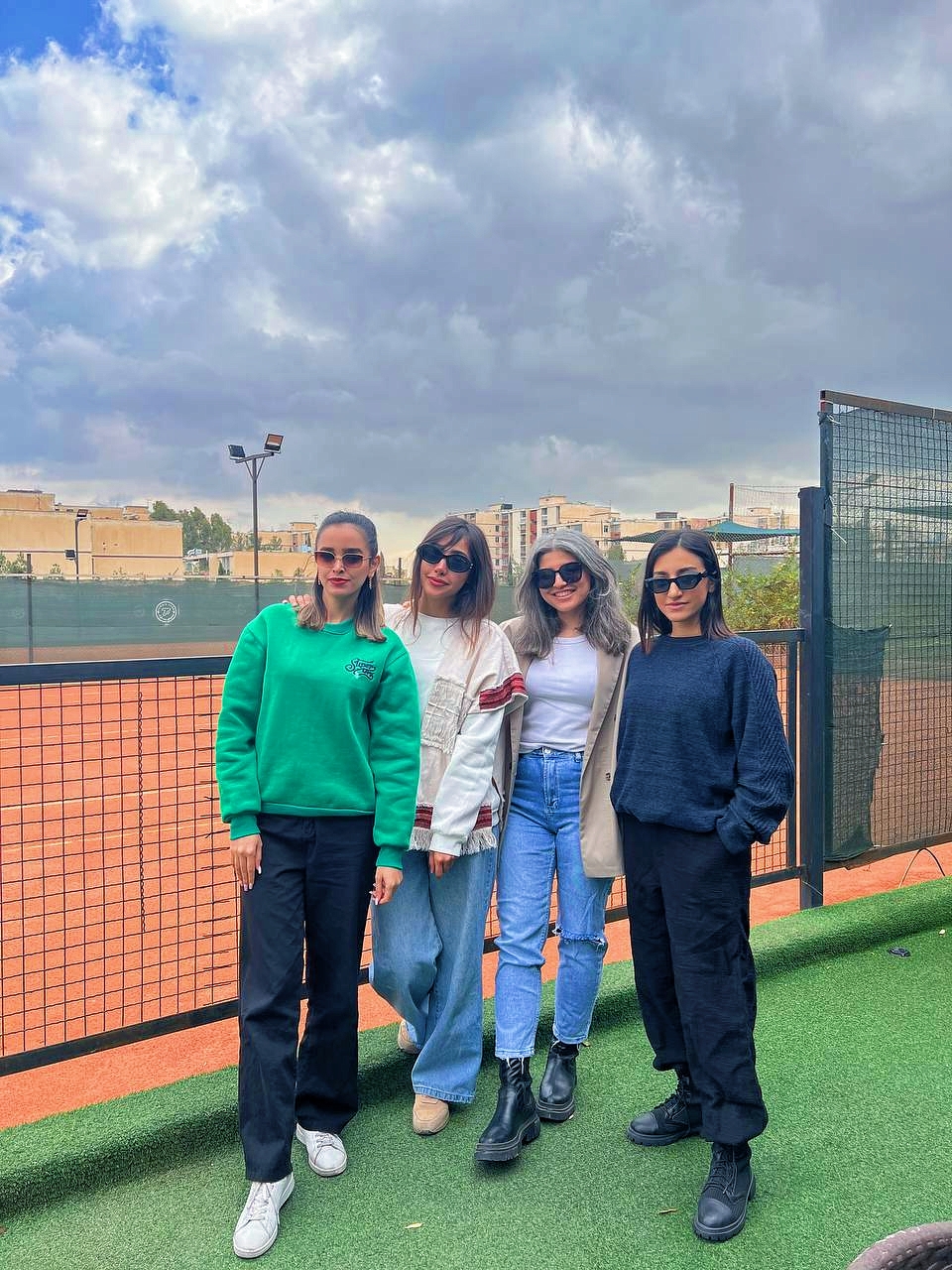
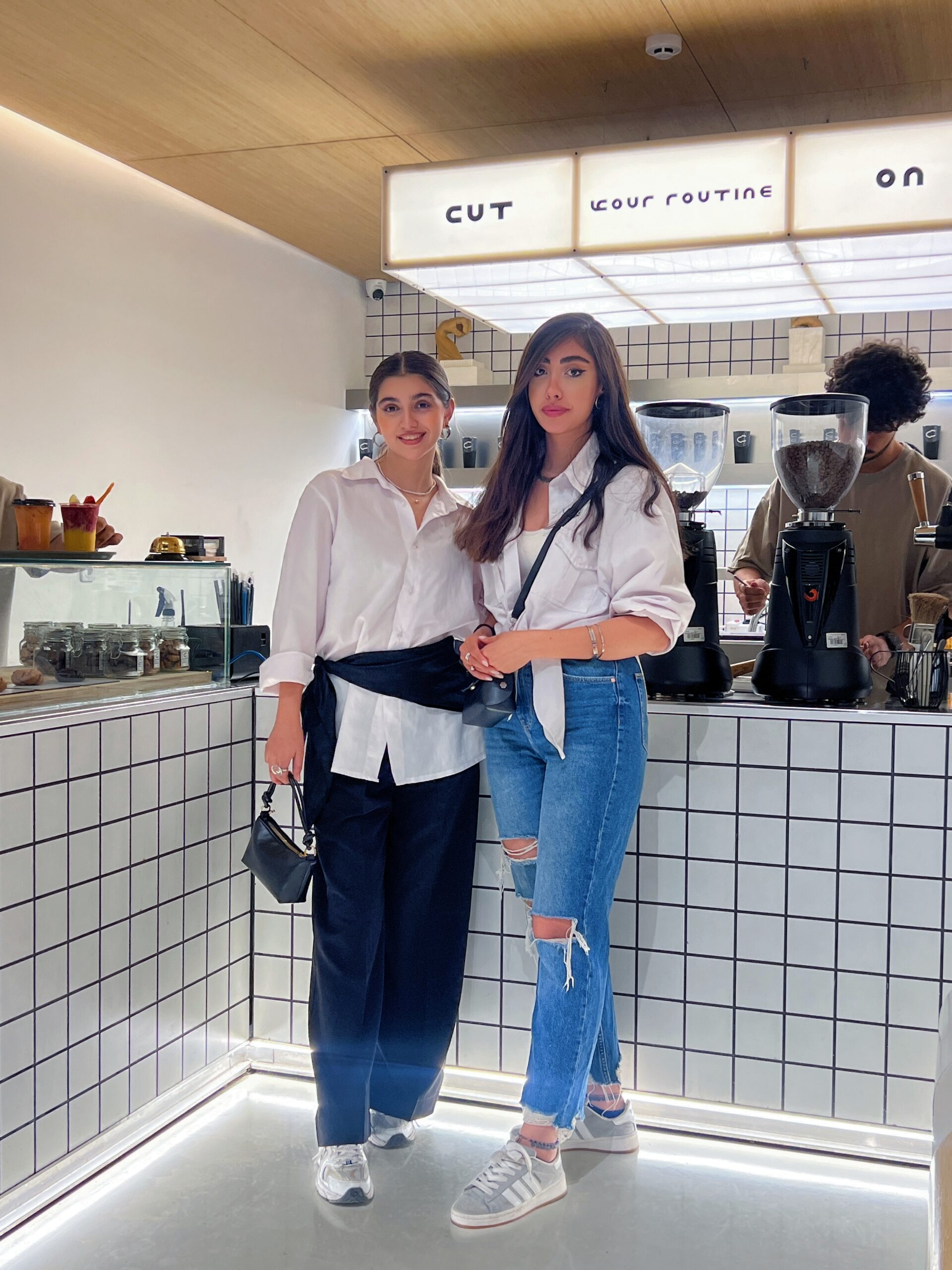
Hijab has been part of Iranβs public dress regulations since 1979, but the way people follow it in daily life varies widely across cities and communities. In larger cities such as Tehran, Shiraz, Isfahan, Kish, and Qeshm, the style of dress among Iranian women is generally modern, colorful, and far from strict. Hair is often loosely covered, and many women use light scarves that slip back frequently. The expectation for foreign travelers is even more flexible, and most visitors are surprised by how easy it feels after the first day.
The main idea to keep in mind is simple: respect the culture by choosing modest clothing, but you do not need to dress exactly like locals or worry about strict enforcement.
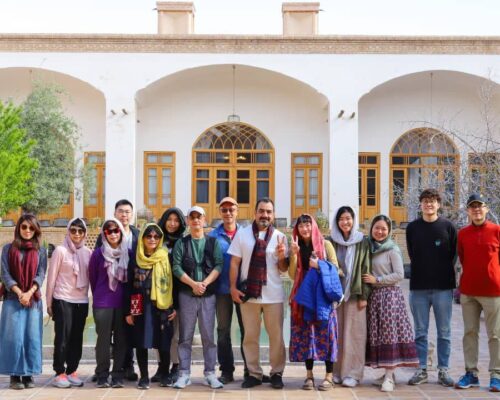
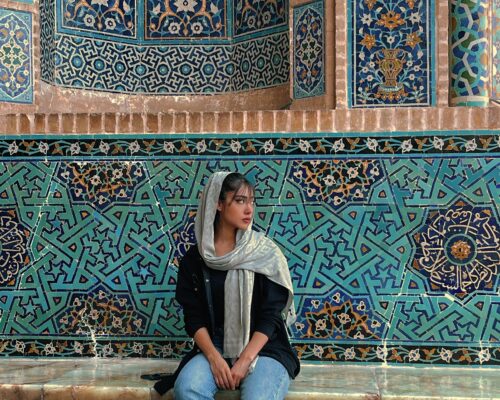
Foreign women are expected to follow a basic form of modest clothing in public spaces. This includes:
Scarves do not need to be tight or perfectly fixed. Even Iranian women adjust their scarves frequently, and it is normal if it slips or moves. No one expects perfection from tourists.
The dress code for men is very simple. Shorts and sleeveless shirts are usually not worn in public areas, but short-sleeved shirts, jeans, trousers, and sandals are all acceptable. Men rarely face any restrictions beyond this.
Your packing list depends on the season and the regions you plan to visit, but a few items are always useful:
Iran experiences very different climates across regions. Summers in the south can be extremely hot, and many travelers naturally choose loose, airy clothes for comfort. Winters in cities like Tehran, Isfahan, and Tabriz can be cold, where long coats and boots are common. You will see a wide variety of styles, and it is easy to blend in with simple, modest clothing that suits the weather.
Common Clothing Terms in Iran
A long shirt or light coat worn by many Iranian women. As a visitor, any long cardigan, kimono, or tunic works similarly.
A large piece of fabric used mostly in religious settings. Tourists are only required to wear a chador when entering certain holy shrines. These are always available at the entrance, so you do not need to bring one.
While daily dress codes are relaxed, there are a few situations where more modest clothing is expected:
Some traditional or conservative neighborhoods
National mourning ceremonies, when locals often wear darker colors
Take a break, sit back and relax, while we take care of your travel arrangements. Choose from a range of our tour packages, whether with inclusive flight tickets or without. Our custom-tailored packages guarantee an unforgettable experience with memories to cherish.
Our visa experts ensure seamless and timely processing of Iranian visas. From tourist andΒ visas toΒ for permanent residents and business, we provide end-to-end services tailored to your specific needs.