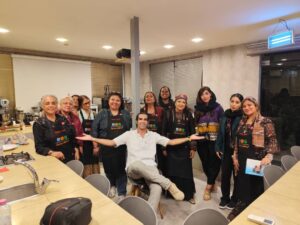
When people talk about traveling to Iran, they often mention the beauty of mosques, colorful bazaars, or ancient cities. But what truly stays in the heart of every visitor is something less visible and more powerfulโPersian hospitality. In Iran, being a guest is not a formality; it is an honor. There are no official rules, yet every home you enter follows traditions that are as old as Persian poetry itself.
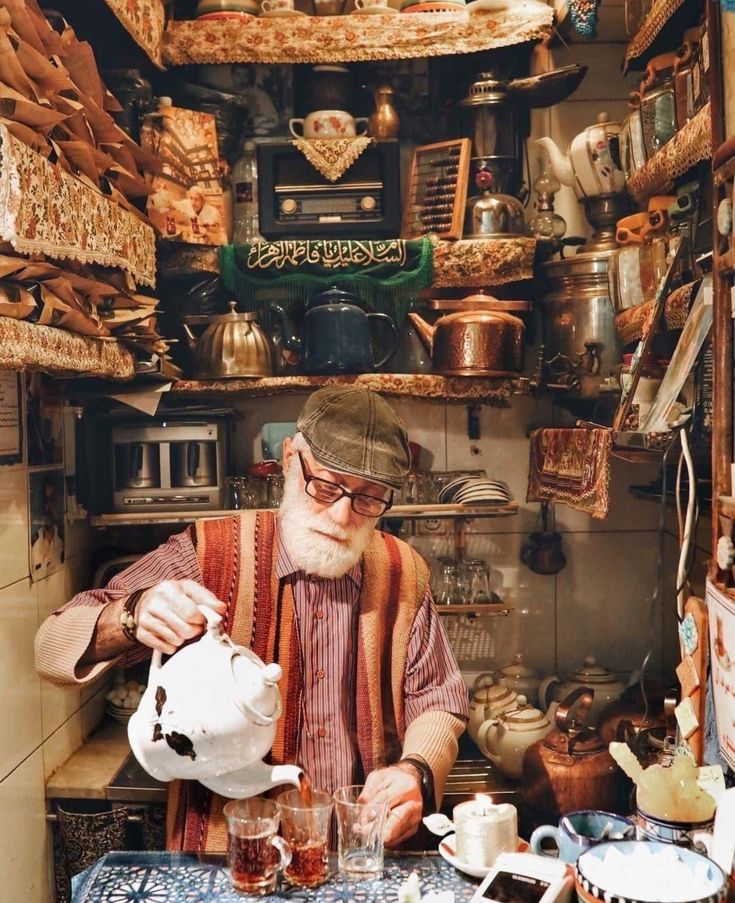
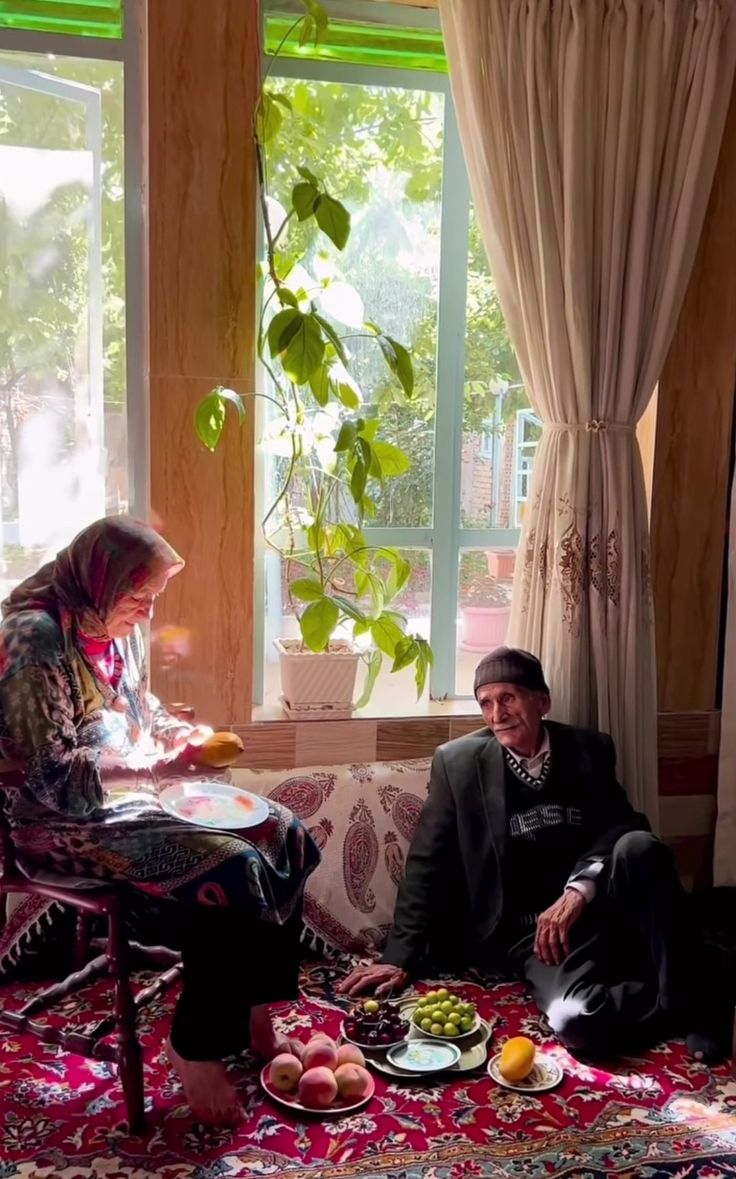
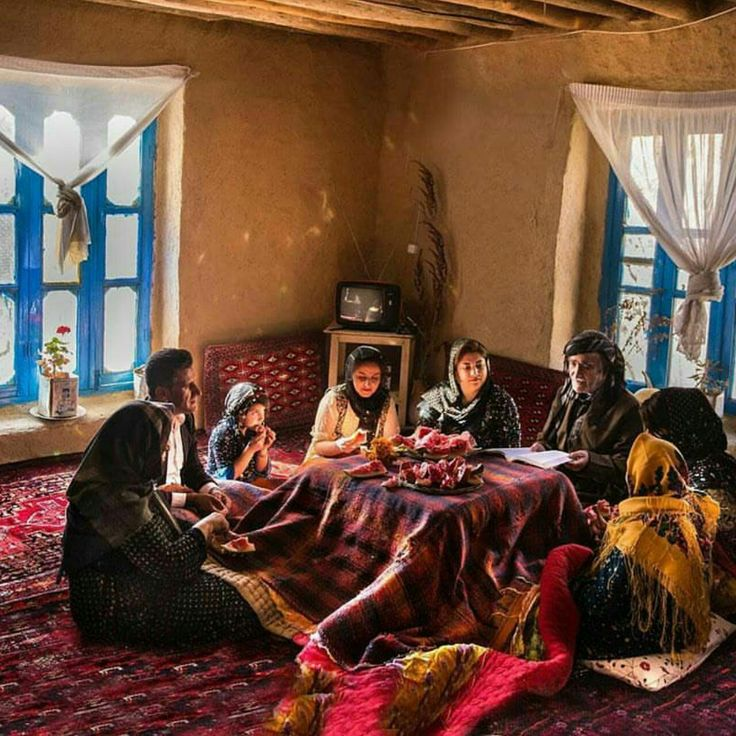
The first thing you notice when entering an Iranian home is the warmth. Shoes left at the door, a smile that feels like sunshine, and the smell of tea brewing in the kitchen. Sometimes, itโs the sweet scent of saffron rice or the smoky aroma of fresh kebab that welcomes you even before the host does. You are offered the best seat, often on a soft carpet surrounded by colorful cushions. Almost immediately, the tableโor often, a beautiful Persian cloth spread on the floorโfills with fruit, nuts, and sweets.
Soon, you will experience taโarof, a cultural dance of giving and refusing. Your host insists, โPlease, take more!โ You politely decline once, twice, maybe three times. But eventually, with a laugh, you accept. Another spoonful of stew or another piece of flatbread finds its way onto your plate. For Persians, generosity is the language of love, and taโarof is one of its most charming expressions.
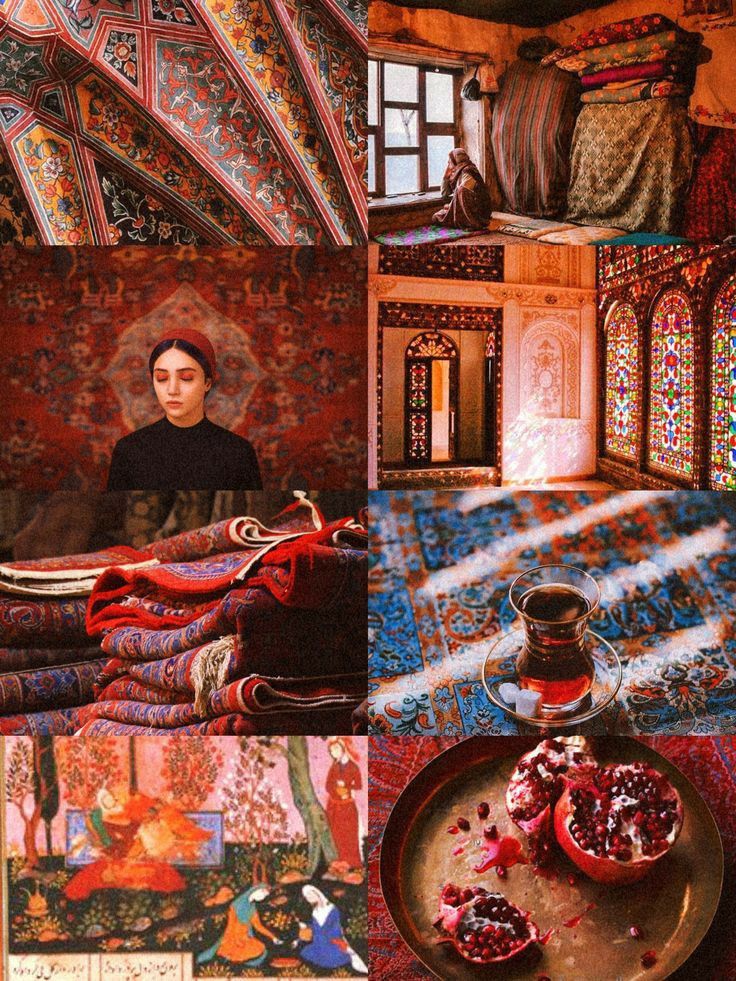
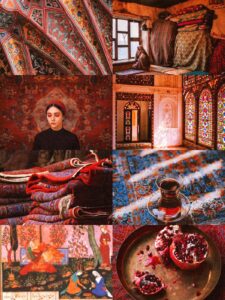
Hospitality in Iran touches all the senses. You see the bright colors of pomegranates, pistachios, and turquoise dishes. You hear the gentle sound of teacups clinking, the laughter of people gathered around a samovar. You feel the soft carpet under your feet and the closeness of people sitting side by side. Even when you leave, the warmth continuesโyour host often walks you to the door, to the street, or even to the end of the block, making sure you are safe and cared for.
For many travelers, these moments are more unforgettable than any monument or landscape. The mosques may shine with blue tiles, the mountains may rise in breathtaking beauty, but it is the kindness of the peopleโthe unwritten rules of being a guestโthat become the soul of the journey.
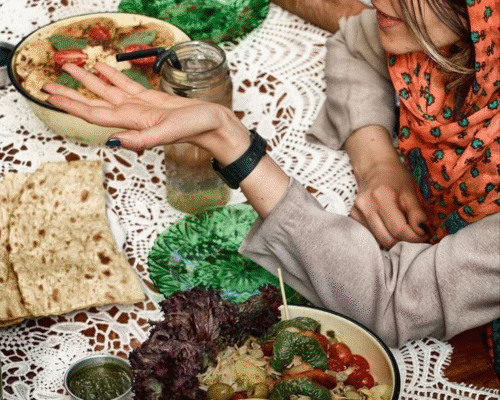
Soon, you will experience taโarof, a cultural dance of giving and refusing. Your host insists, โPlease, take more!โ You politely decline once, twice, maybe three times. But eventually, with a laugh, you accept. Another spoonful of stew or another piece of flatbread finds its way onto your plate. For Persians, generosity is the language of love, and taโarof is one of its most charming expressions.
Hospitality in Iran touches all the senses. You see the bright colors of pomegranates, pistachios, and turquoise dishes. You hear the gentle sound of teacups clinking, the laughter of people gathered around a samovar. You feel the soft carpet under your feet and the closeness of people sitting side by side. Even when you leave, the warmth continuesโyour host often walks you to the door, to the street, or even to the end of the block, making sure you are safe and cared for.
For many travelers, these moments are more unforgettable than any monument or landscape. The mosques may shine with blue tiles, the mountains may rise in breathtaking beauty, but it is the kindness of the peopleโthe unwritten rules of being a guestโthat become the soul of the journey.
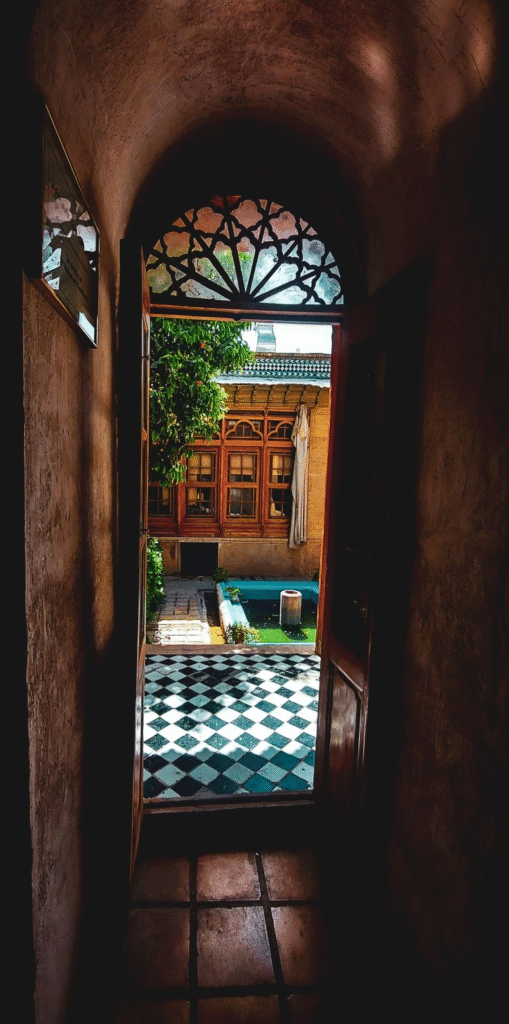
- ๐ Isfahan, Kashan, Qeshm Island, Shiraz, Tehran
from:ย
- ๐ Iran, Isfahan, Shiraz, Tehran
from:ย